Starbase18 Logo
Book
Food forest

Food forest

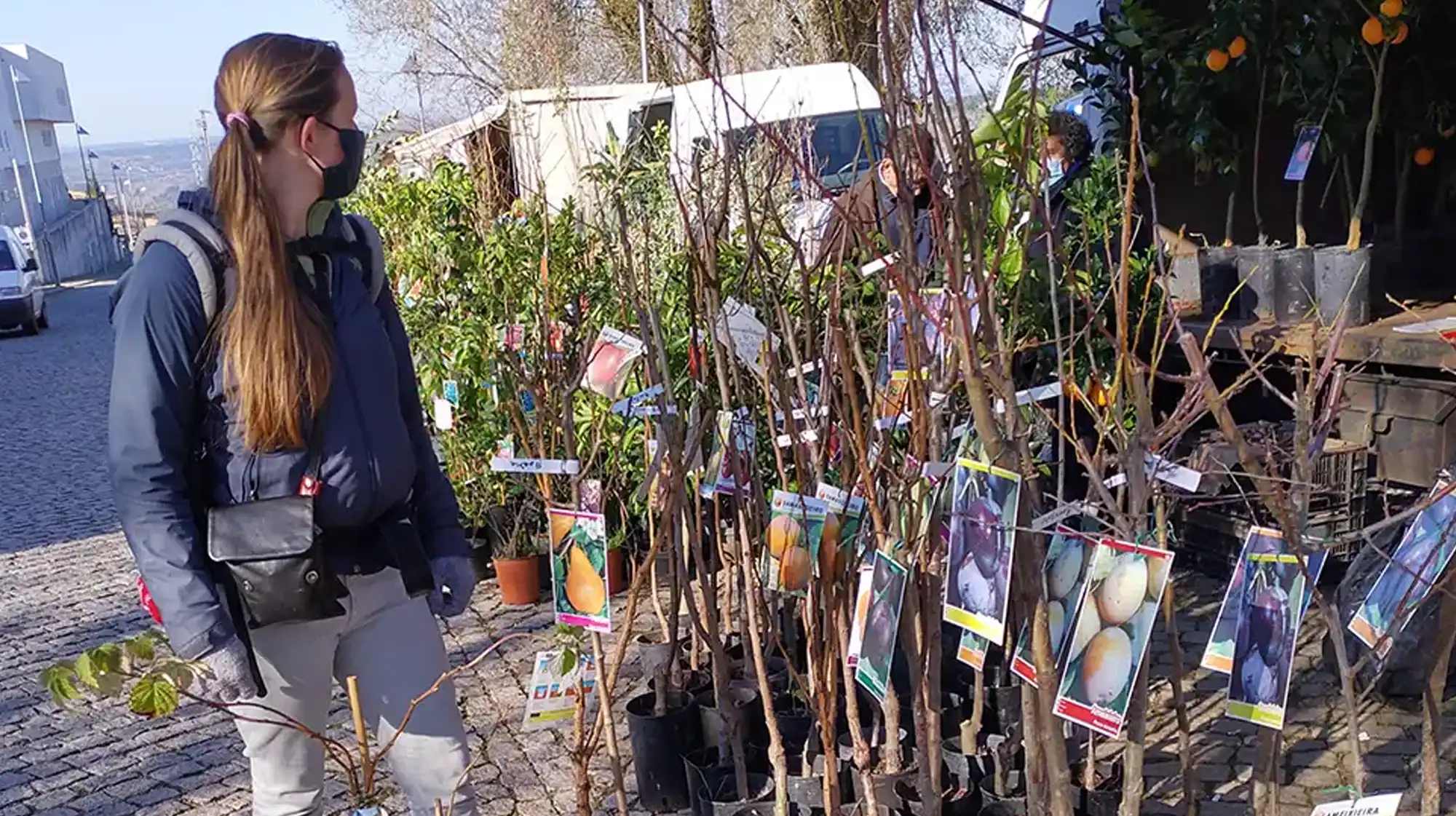
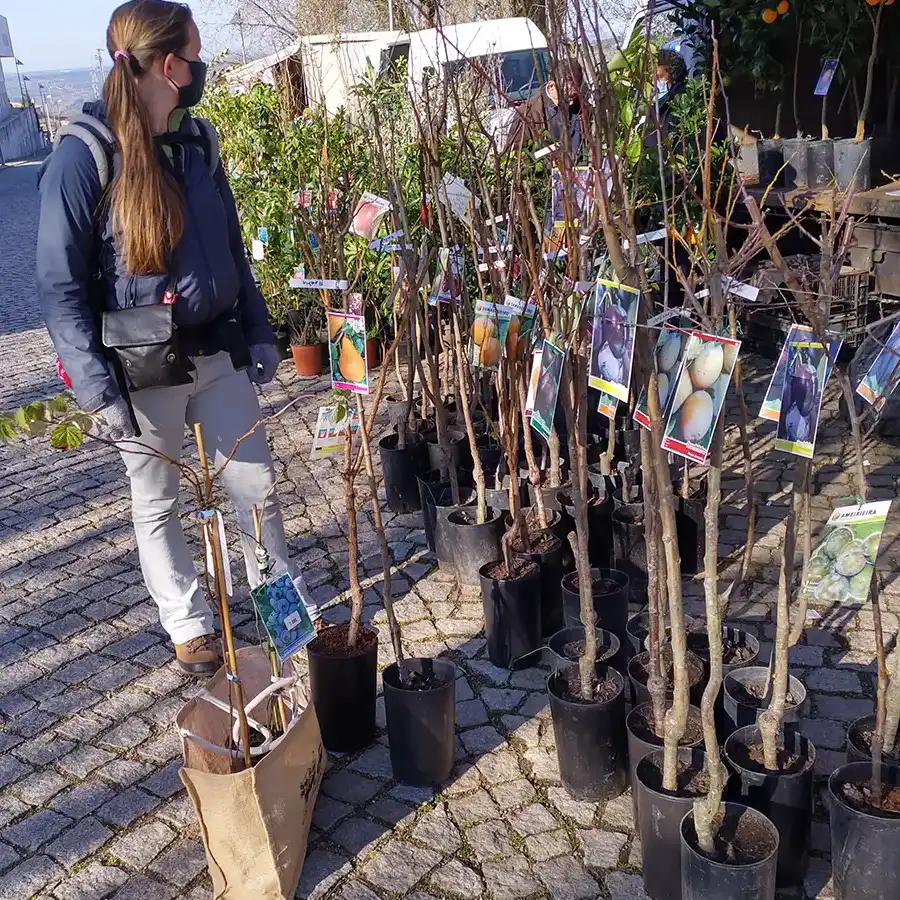
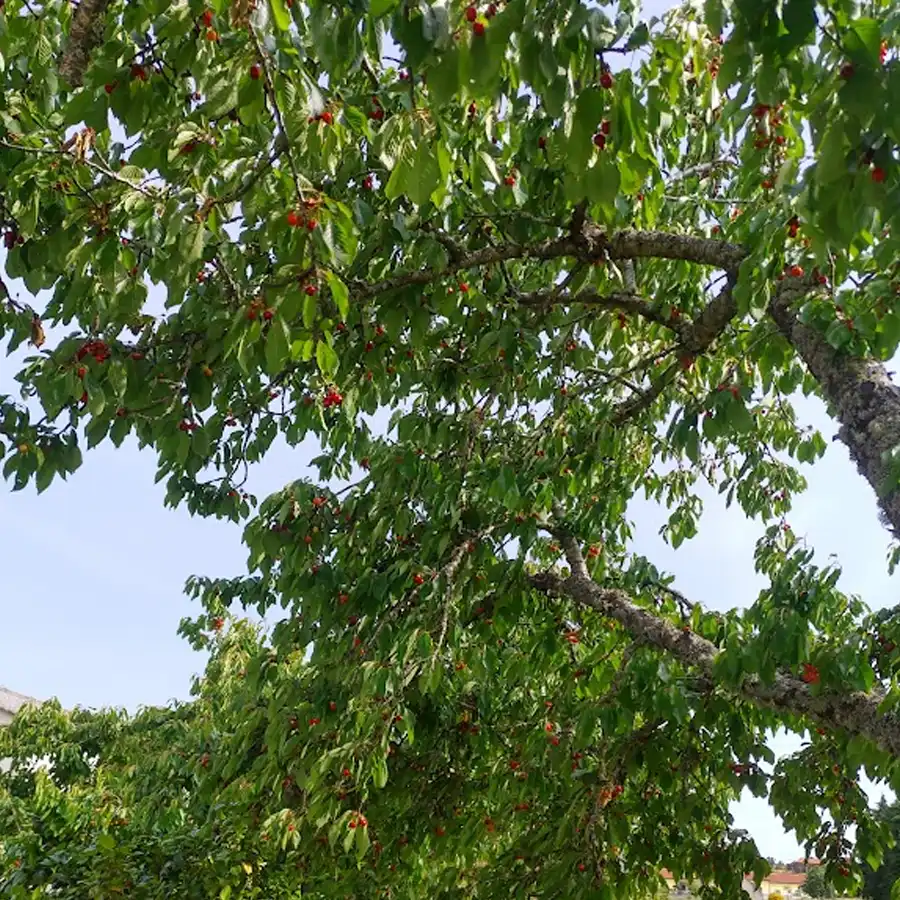
Building on existing fruit trees like cherry, fig, plum, apple and kiwi we cleared 800m2 for new diverse plantings. The first trees, almond, red fig, hazel, stone pine, plum and olives are in place, supported by a yearly family planting event. Plans include drip irrigation and better fruit processing to make the most of every harvest.

Food forest

Working towards food independency

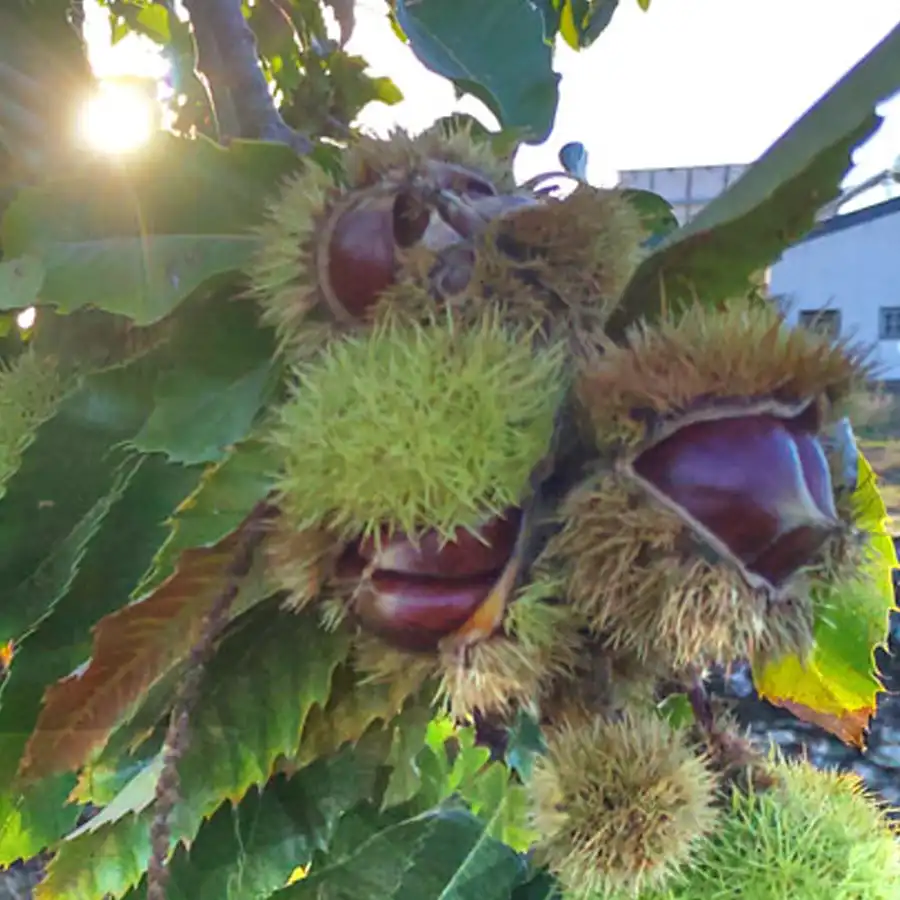
The property already had many established fruit and nut trees: cherry, fig, plum, apple, kiwi, blackberries, walnut, and chestnut. To increase diversity and resilience, we wanted to create an additional 800m2 food forest patch, focusing on cleaning bush and creating an biological and low maintenance planting.

We started by clearing the dense overgrowth of broom bushes, sticks, and leftover trunks that made the area unusable. The first new fruit trees were then planted, chosen for diversity, ecological value, and adaptability to local conditions.

To keep the project lively and educational, we created “Project Squirrel” a yearly event where we, together with children, collect and plant acorns and chestnuts throughout the forest. It’s hands on, builds connection to the land, and helps naturally regenerate the forest with useful trees.

The food forest vision goes beyond planting: it’s about creating an edible, resilient landscape that supports wildlife, conserves water, and provides food throughout the seasons. Right now, fruit processing and preservation remain manual and time consuming, which limits how much produce we can save for winter months.

Next steps are to plant more fruit trees to increase the variety and yield, install drip irrigation to help new trees survive dry summers, and improve how we process and store fruit. By professionalizing this part, we’ll waste less and have more organic, local products to share and enjoy during the off-season. We are also planning to create more natural elements in the land like swales and hugelculturs to capture recourses.
New Diverse Plantings in a Food Forest
Food Forest Project Update: New Diverse Plantings and Family Planting Event
New Diverse Plantings in Progress at Cherry, Fig and Plum Orchard
What types of fruit grow in the food forest?
Our forest features a mix of established trees like cherry, fig, plum, apple, and kiwi, along with newer plantings of almond, hazel, stone pine, and olives.
How large is the food forest area?
We have cleared 800m2 specifically for new diverse plantings, building upon our existing orchard to create a sustainable and productive ecosystem.
Can I participate in the planting events?
We host a yearly family planting event to grow our forest. While it is a family tradition, guests can enjoy the results and learn about our food forest journey.
What are your future plans for the harvest?
We are implementing drip irrigation for sustainability and improving our fruit processing methods to ensure we make the most of every harvest we produce.
What is the ultimate goal of this project?
Our primary goal is to work towards food independency by cultivating a wide variety of fruits and nuts that can support our family and the B&B naturally.
Book Your Starbase18 Stay